
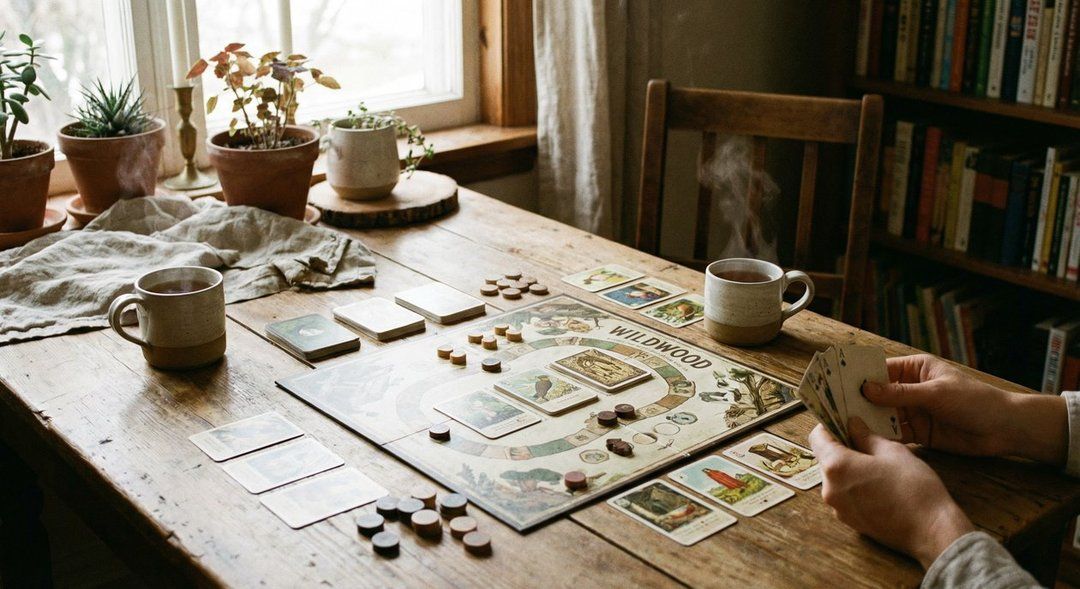
A Game as a Safe Space for Emotions
During a normal conversation, we often control ourselves, trying to appear better. Board games break down these barriers. In the heat of the game, a person relaxes, their emotions become genuine: joy from winning, disappointment from a bad move, excitement. This creates a safe space where you can see the true reactions of your partner without social masks. The game allows you to experience mini-stress and joy together, which brings you very close.
Cooperative Games: Learning to Work in a Team
If you don't want to compete in the early stages of getting to know each other, choose cooperative games where you play together against the game itself (for example, 'Pandemic' or 'Arkham Horror'). This is an ideal way to check how you can negotiate, make joint decisions, and support each other in crisis situations. You will see whether the partner tends to dominate, whether they know how to listen to your ideas, and how they react to joint mistakes.
Games of Bluff and Deduction: Reading Emotions
Games like 'Mafia' (if you are in a group) or duel detective games require attention to detail and the ability to read emotions. This is an excellent simulator for empathy. You learn to understand your partner's facial expressions, gestures, and intonations. Plus, it's simply fun to try to unravel each other's tricks. Such games are often accompanied by laughter and jokes, making the atmosphere as relaxed as possible.
Strategy Games: How a Person Plans and Thinks
Complex strategy games (like 'Carcassonne' or 'Catan') reveal analytical skills. You see how a person plans their actions several steps ahead, how they react to changing circumstances, and whether they can adapt. This doesn't mean you have to set up an IQ test, but watching your partner's thought process can be very interesting. It also shows their level of patience and ability to focus on long-term goals.
Fast Card Games: Dynamics and Excitement
If you are not ready to spend hours learning the rules, choose fast card games ('Dobble', 'Uno', 'Exploding Kittens'). They are dynamic, do not require deep immersion, and are great for filling pauses in conversation. The fast pace of the game causes a lot of laughter and spontaneous reactions. This is an ideal option for a meeting in a coffee shop when you just want to have fun without too much tension.
How to React to Losing: An Important Marker
How a person loses says much more about them than how they win. Does the partner know how to admit defeat with dignity? Do they blame the rules or chance for everything? Do they become aggressive? A game is a miniature model of life. If a person cannot lose a board game, they may find it difficult to cope with real-life difficulties. Pay attention to these markers, but don't jump to conclusions from just one game.
The Main Rule: The Game Should Bring Pleasure
Remember that the goal of the game is not to win, but to enjoy the process together. If you see that the game is not going well, the rules are too complicated, or your partner is bored—don't be afraid to suggest changing the game or putting it away entirely. Don't turn the meeting into a tournament. Board games are just a tool to make your communication more lively, interesting, and memorable.