
Why Activity is Better Than Long Conversations at a Table
Sitting at a table and trying to keep a conversation going is often difficult, especially at the beginning of an acquaintance. Awkward pauses arise, and questions can seem like an interview. Active recreation completely changes the dynamics. When you are focused on movement—whether it's skating or climbing—the brain switches gears. The conversation becomes a background for shared action. You discuss what is happening right now, laugh at failed attempts, and rejoice at small victories. This relieves tension and allows you to see the person as they are, without social masks.
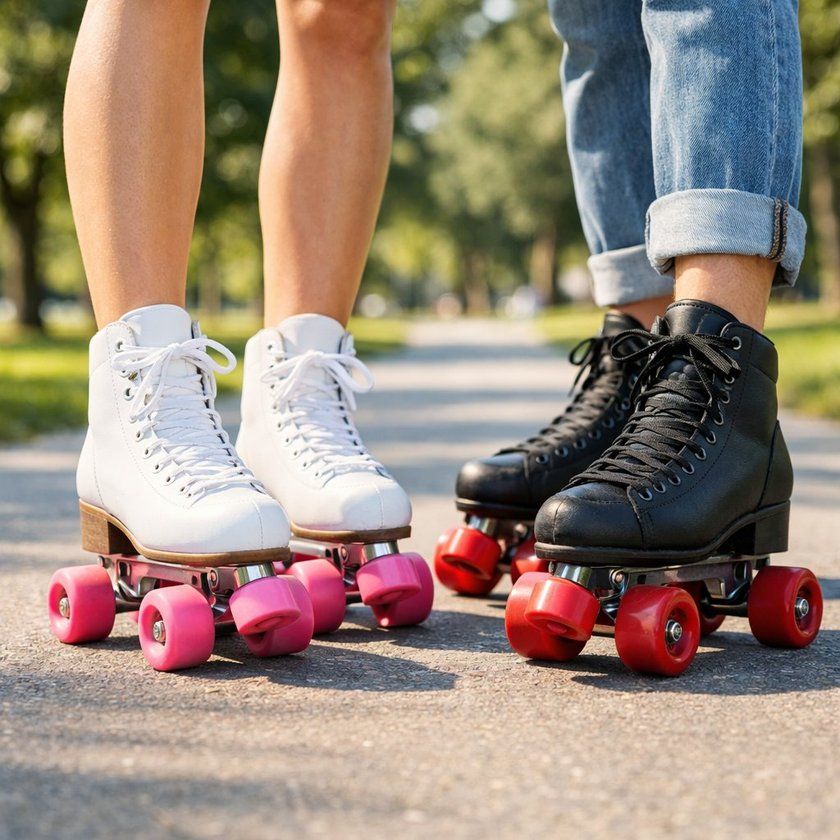
Rollerblading or Ice Skating: Holding Hands and Learning Balance
Rollerblading or ice skating is a classic that never loses its relevance. Even if one of you is doing it for the first time, it's only a plus. It's a great opportunity to offer help, lend a hand, and support. Overcoming the fear of falling together is very bonding. The main thing is to choose a place with good flooring and not too large a crowd, so you can move comfortably at your own pace. And don't forget comfortable clothes that you don't mind getting a little dirty.
The Climbing Wall: How Shared Challenges Quickly Build Trust
Rock climbing is not only about physical strength, but also about trust and communication. When one climbs up and the other belays (even if an instructor does it, you still offer moral support), a special connection is created. You prompt each other where to put a foot or how better to grab hold. This is a great test of how you can work in a team and whether you are ready to support your partner in unusual situations. Plus, it's just really fun and gives a powerful boost of endorphins.
Riding Bikes or Scooters: Dynamics and Freedom
If you want to combine activity with the opportunity to talk, renting bikes or electric scooters is the perfect choice. You can plan a route through picturesque parks, embankments, or quiet city streets. You choose the pace yourselves: you can have small races, or you can ride slowly side by side, enjoying the views. This format gives a feeling of freedom and allows you to easily change locations if you get bored with one of them.
Dance Master Class: Listening to the Rhythm and Each Other
Dancing is one of the fastest ways to overcome the physical barrier and learn to feel your partner. You don't need to be professionals; just choosing a beginner master class—salsa, bachata, or even hip-hop—is enough. Learning new moves together, the inevitable mistakes, and laughing at your own clumsiness create an incredibly warm and relaxed atmosphere. Dancing teaches you to trust, lead, and follow, which is a wonderful metaphor for any relationship.
How to Make Sure the Format Will Be Comfortable for Both
Before suggesting active recreation, be sure to discuss it with your partner. Don't make it a surprise, as the person might show up in inappropriate clothing or simply have medical contraindications to certain physical exertion. Ask directly: 'How do you feel about going for a bike ride or hitting the climbing wall?' Offer a few options to choose from so the person can pick the level of activity they are most comfortable with right now.
Plan B: What to Do if Something Goes Wrong Physically
Any activity carries an element of unpredictability. The weather might spoil, someone might get a blister, or simply get tired quickly. Always have a backup plan in mind. If it starts raining during a bike ride, know where the nearest cozy coffee shop is. If rollerblading turns out to be too difficult, suggest just taking a walk in the park. The main thing is not to get upset if something goes wrong, but to treat it as a shared adventure.